Brainstorm STEM Store
TotalSTEM Lesson Modules - includes 20 Student Kits, Textbook & Slideshow
Choose options
BrainStorm TotalSTEM™
A Turn-Key, ESSA-Aligned K–12 Science Acceleration System
BrainStorm STEM Education proudly introduces TotalSTEM™, a comprehensive, district-scalable science acceleration system designed to strengthen STEM instruction across the entire K–12 continuum. Built for today’s classrooms and tomorrow’s workforce, TotalSTEM integrates standards-aligned curriculum, hands-on learning tools, embedded assessment, and educator support into one cohesive instructional model.
TotalSTEM is engineered to help schools deliver measurable academic outcomes while reducing instructional complexity for educators. By combining engaging, project-based learning with structured instructional design, the program supports deeper scientific understanding, increased student engagement, and improved academic performance.
More than a curriculum, TotalSTEM is a complete instructional reinforcement system that enables districts to scale high-quality STEM learning across campuses while maintaining consistency, rigor, and operational efficiency.
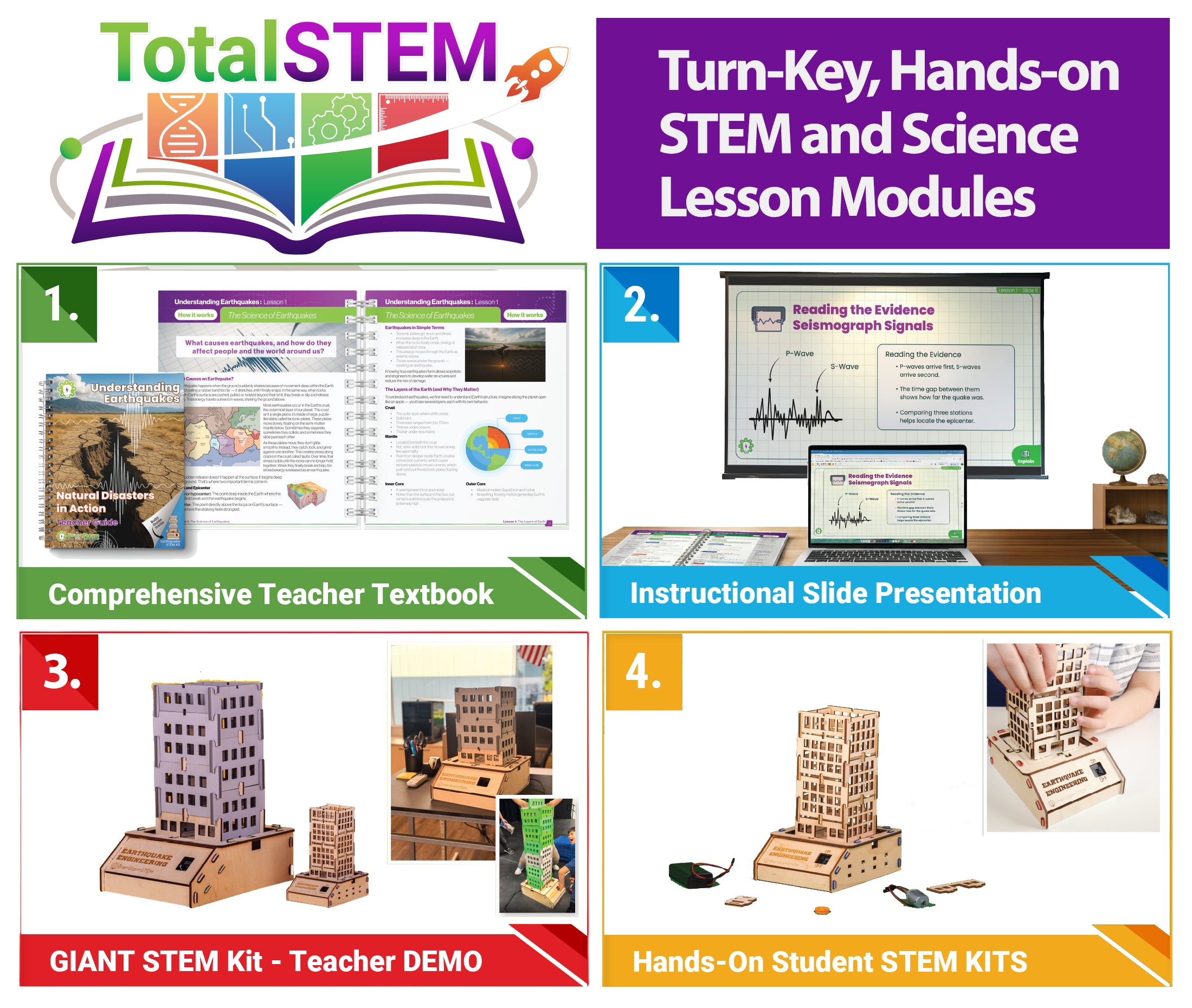
Each TotalSTEM Lesson Module includes:
- 20 Student Kits
- Multi-lesson Textbook
- Engaging Instructional Slideshow
- GIANT Teacher Kit (Optional)
TotalSTEM is designed to:
-
Strengthen core science instruction across grade levels
-
Improve measurable academic performance in STEM subjects
-
Increase student engagement through hands-on, inquiry-driven learning
-
Provide embedded, standards-aligned assessment opportunities
-
Reduce teacher preparation time with structured instructional resources
-
Deliver scalable implementation for schools and districts
TotalSTEM reflects BrainStorm’s commitment to delivering solutions that are academically rigorous, instructionally coherent, operationally reliable, fiscally sustainable, and demonstrably effective.
TotalSTEM Lesson Modules
TotalSTEM features a diverse collection of hands-on STEM learning modules that bring scientific concepts to life through experimentation, engineering design, and real-world problem solving.
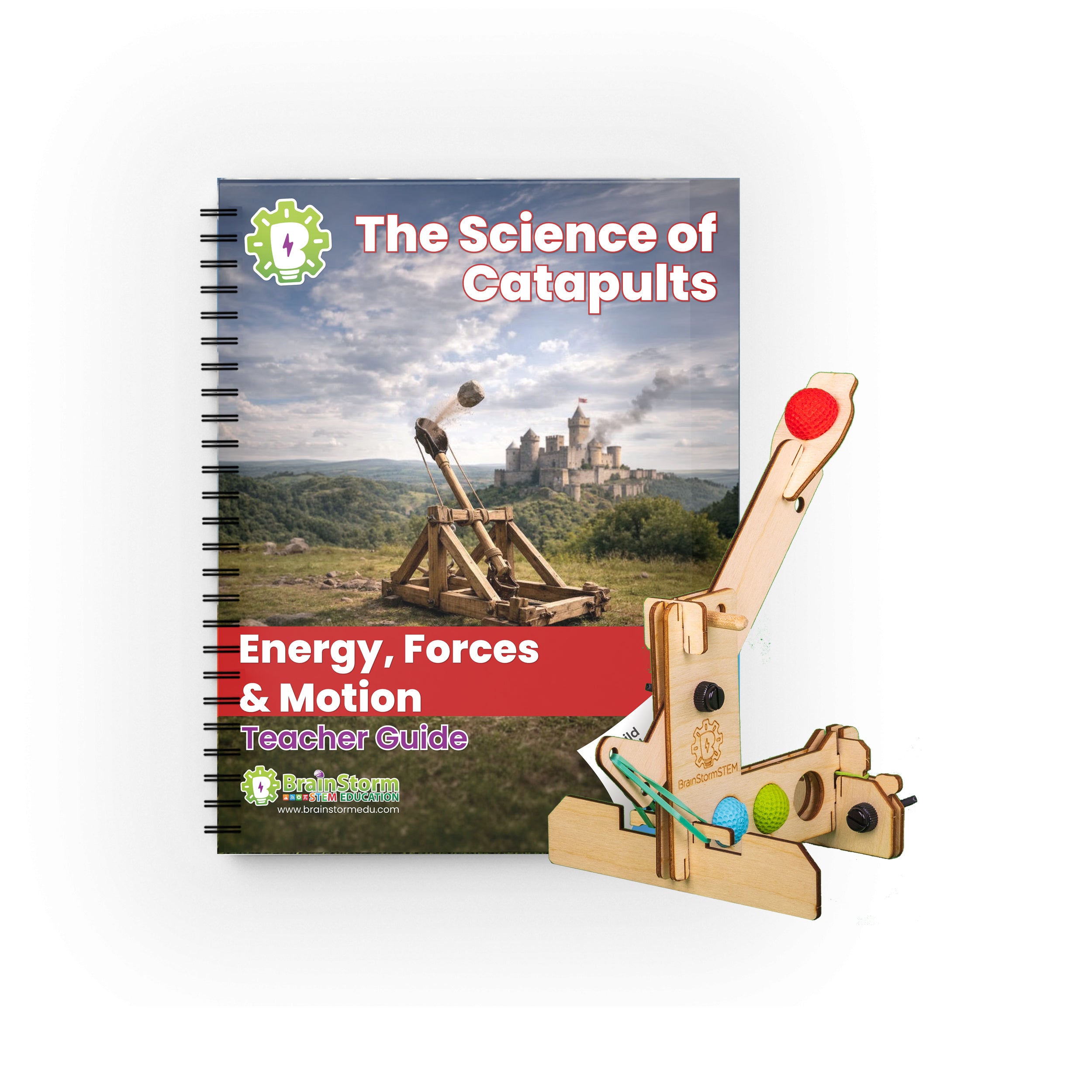
The Science of Catapults
Topic: Energy, Forces & Motion
Students construct a working launch system to explore how force, angle, and mass influence trajectory and distance. Through structured experimentation cycles, students refine their designs and analyze cause-and-effect relationships while building foundational engineering skills.
Key Features
-
Hands-on launch system construction
-
Investigation of force, angle, and mass variables
-
Cause-and-effect analysis through measurable trials
-
Early data tracking and measurement skills
-
Engineering design refinement through testing
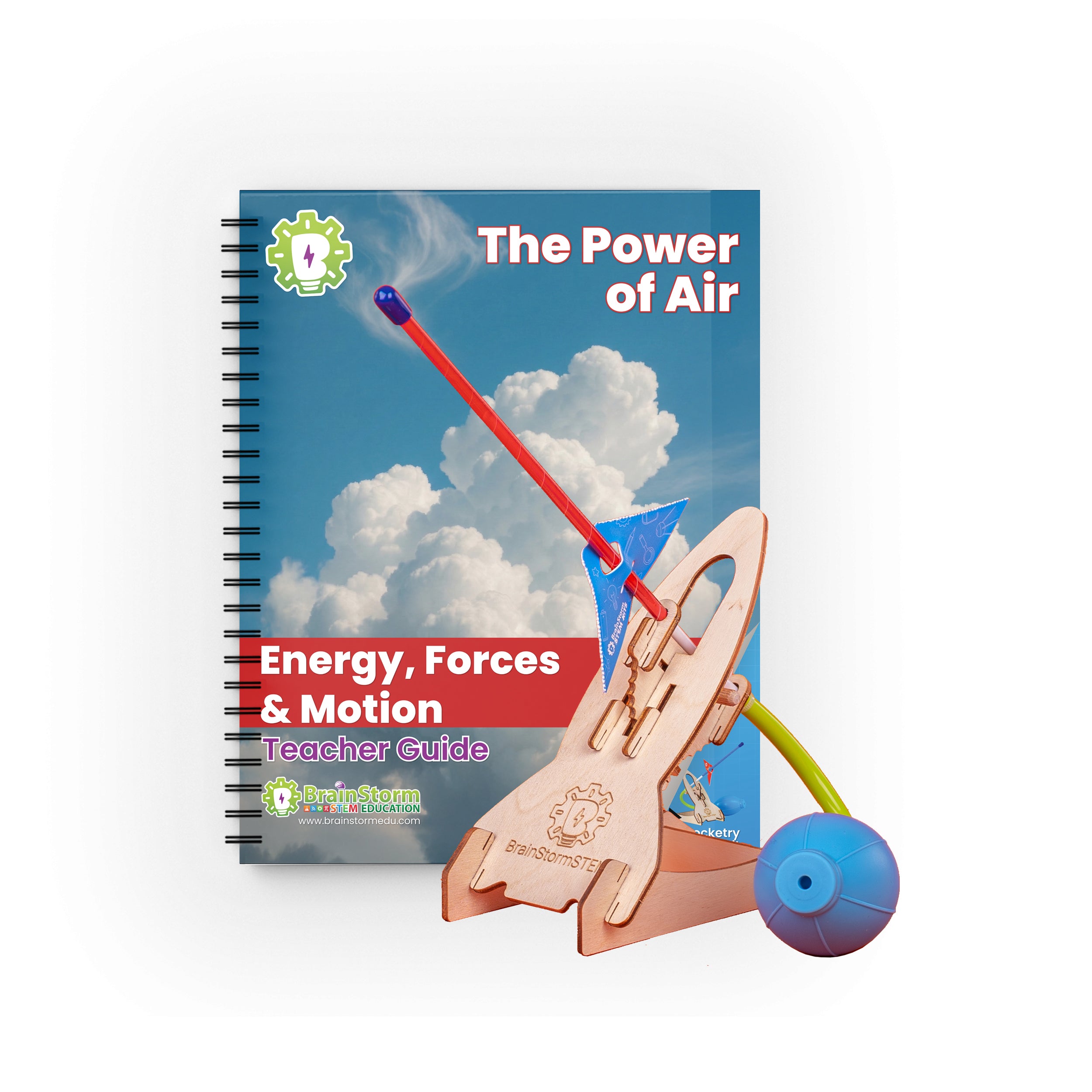
The Power of Air
Topic: Energy, Forces & Motion
Students design and launch air-powered rockets while exploring propulsion, aerodynamics, and stability. Through hypothesis-driven testing, they discover how small design changes can significantly influence performance.
Key Features
-
Air-powered rocket construction
-
Exploration of propulsion and thrust
-
Hypothesis-based aerodynamics testing
-
Measurable performance comparisons
-
Iterative engineering improvement
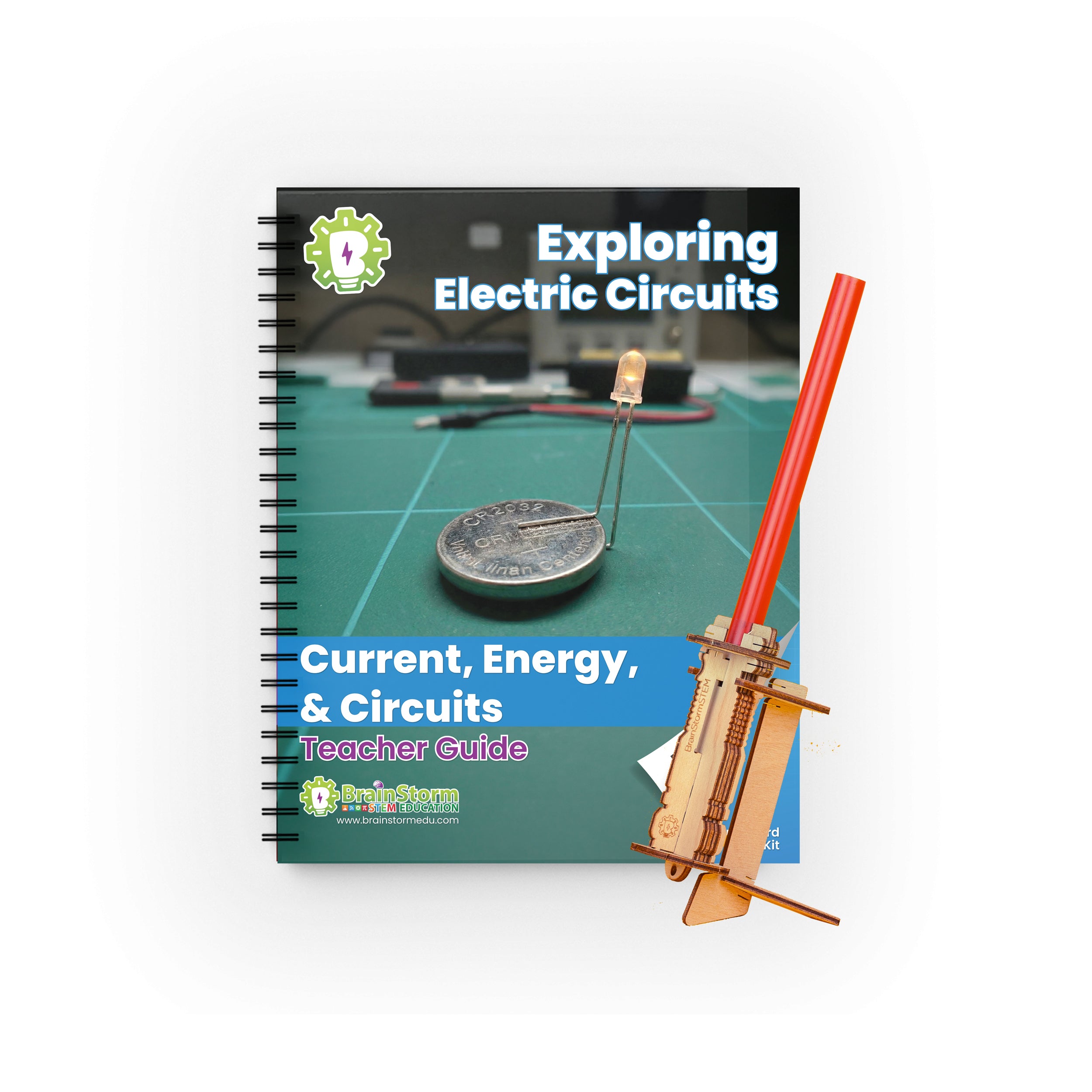
Exploring Electric Circuits
Topic: Current, Energy & Circuits
Students build simple closed circuits using low-voltage components while learning how electricity flows through a system. When circuits fail, students practice systematic troubleshooting to identify and correct problems.
Key Features
-
Hands-on electrical circuit construction
-
Safe low-voltage experimentation
-
Logical troubleshooting processes
-
Exploration of energy transfer
-
Development of systems thinking
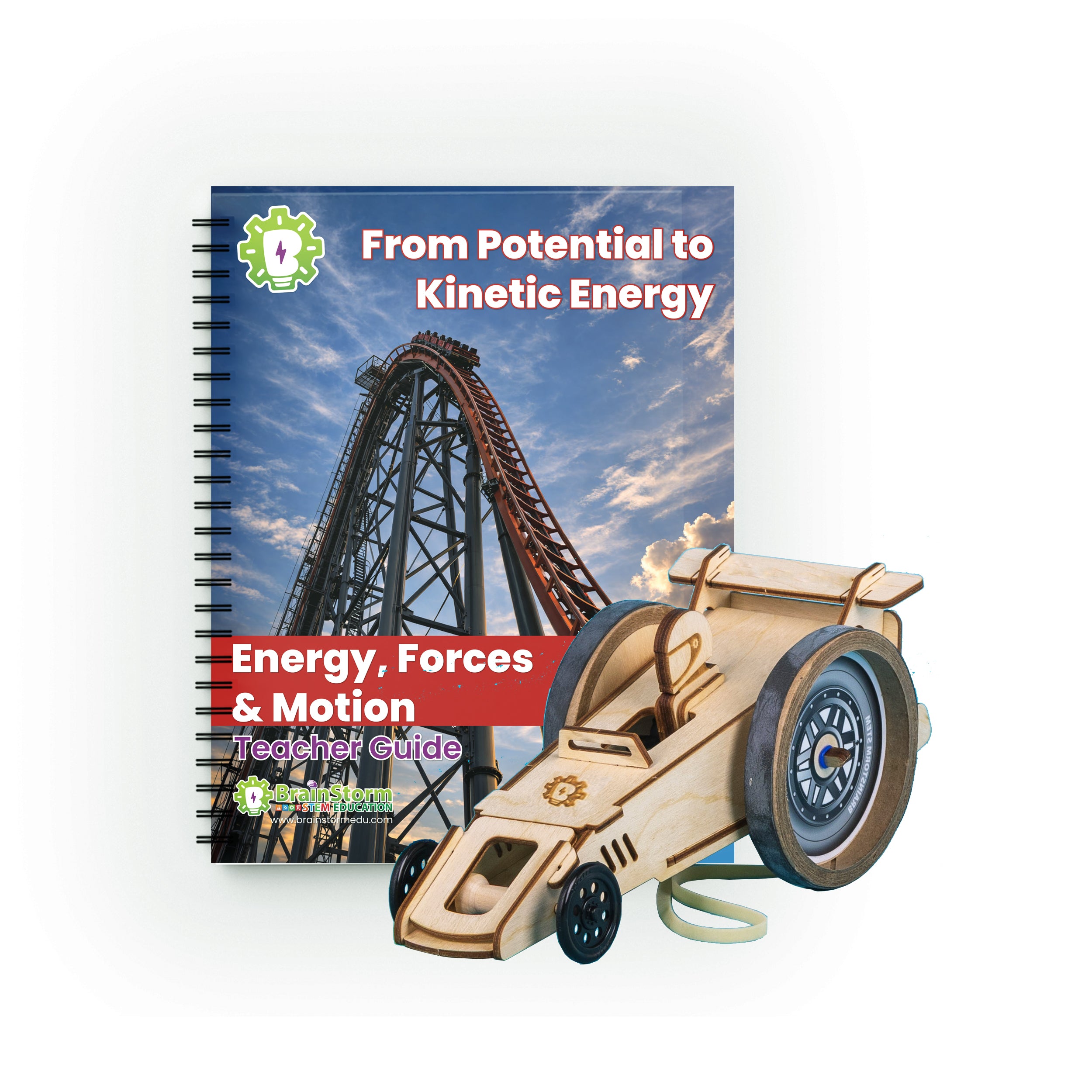
From Potential to Kinetic Energy
Topic: Energy, Forces & Motion
Students construct rubber-band powered dragsters to observe how stored energy converts into motion. By testing vehicles on different surfaces, students investigate the role of friction in motion.
Key Features
-
Rubber-band dragster engineering challenge
-
Investigation of friction and surface resistance
-
Observation of energy conversion in motion
-
Informal data collection and analysis
-
Scientific vocabulary integration
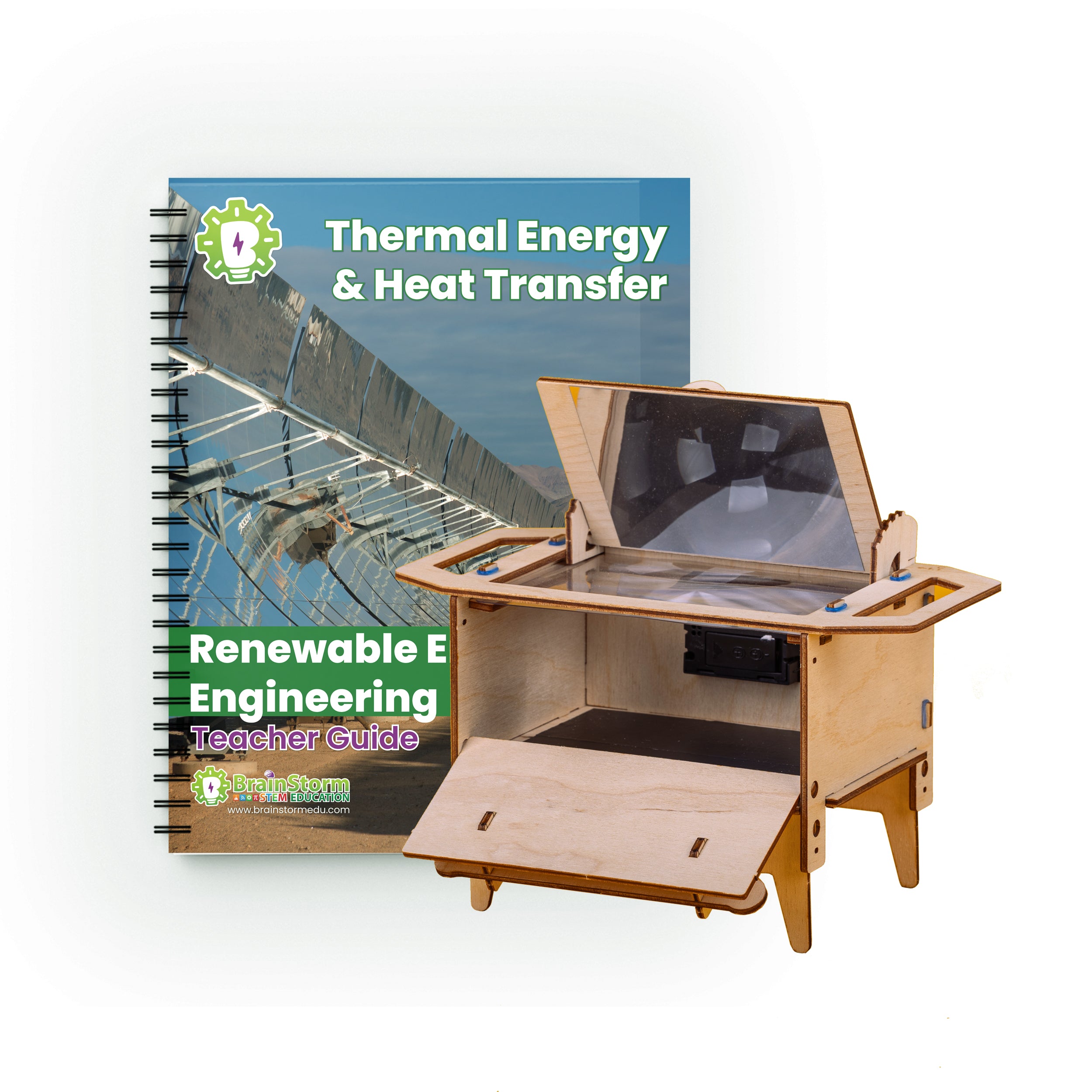
Thermal Energy & Heat Transfer
Topic: Renewable Energy Engineering
Students design and test solar ovens to understand heat absorption, insulation, and reflection. By comparing materials and configurations, they discover how engineering design influences thermal performance.
Key Features
-
Solar oven engineering design
-
Exploration of radiation, conduction, and insulation
-
Comparative material testing
-
Temperature monitoring and analysis
-
Sustainability and renewable energy concepts
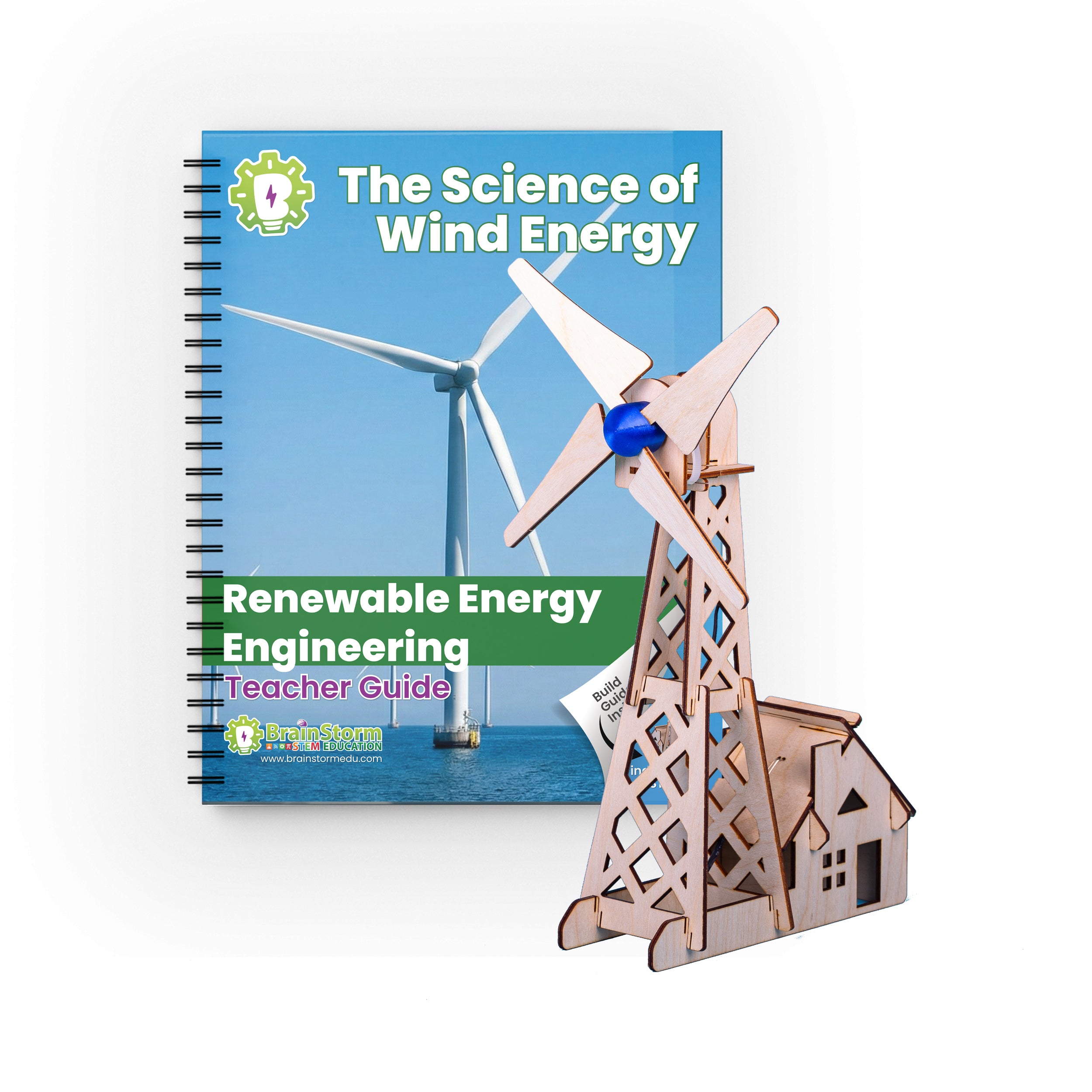
The Science of Wind Energy
Topic: Renewable Energy Engineering
Students build and test wind turbine blades while exploring rotational motion and renewable energy generation. By modifying blade shape and angle, students analyze how design affects turbine efficiency.
Key Features
-
Wind turbine blade engineering
-
Blade angle and shape experimentation
-
Renewable energy concept exploration
-
Performance measurement activities
-
Evidence-based engineering decisions
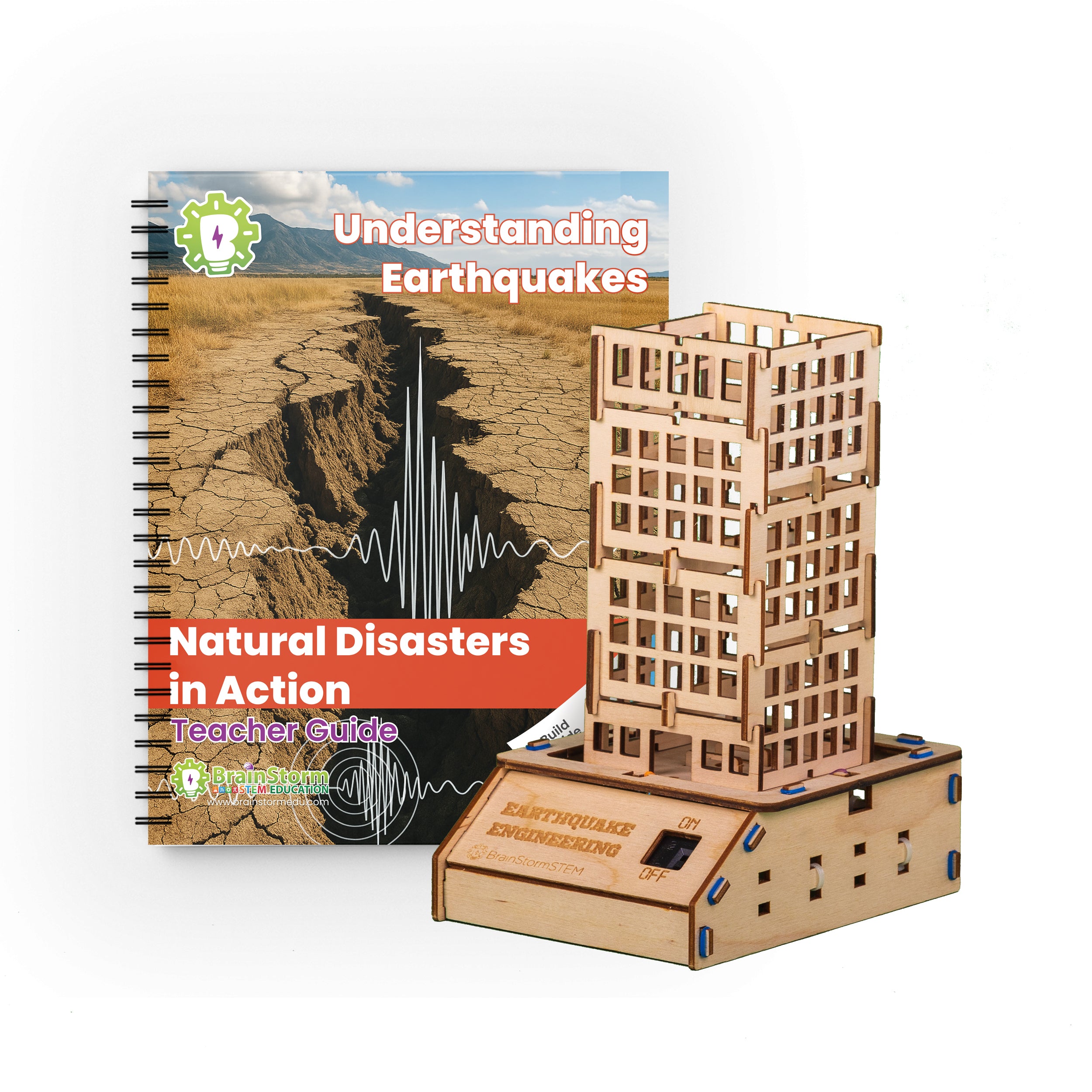
Understanding Earthquakes
Topic: Natural Disasters
Students construct model structures and test them under simulated seismic conditions. By analyzing structural failures and reinforcing designs, they explore principles of stability and engineering resilience.
Key Features
-
Seismic structure testing simulations
-
Structural weakness identification
-
Reinforcement design strategies
-
Real-world engineering problem solving
-
Evidence-based redesign cycles
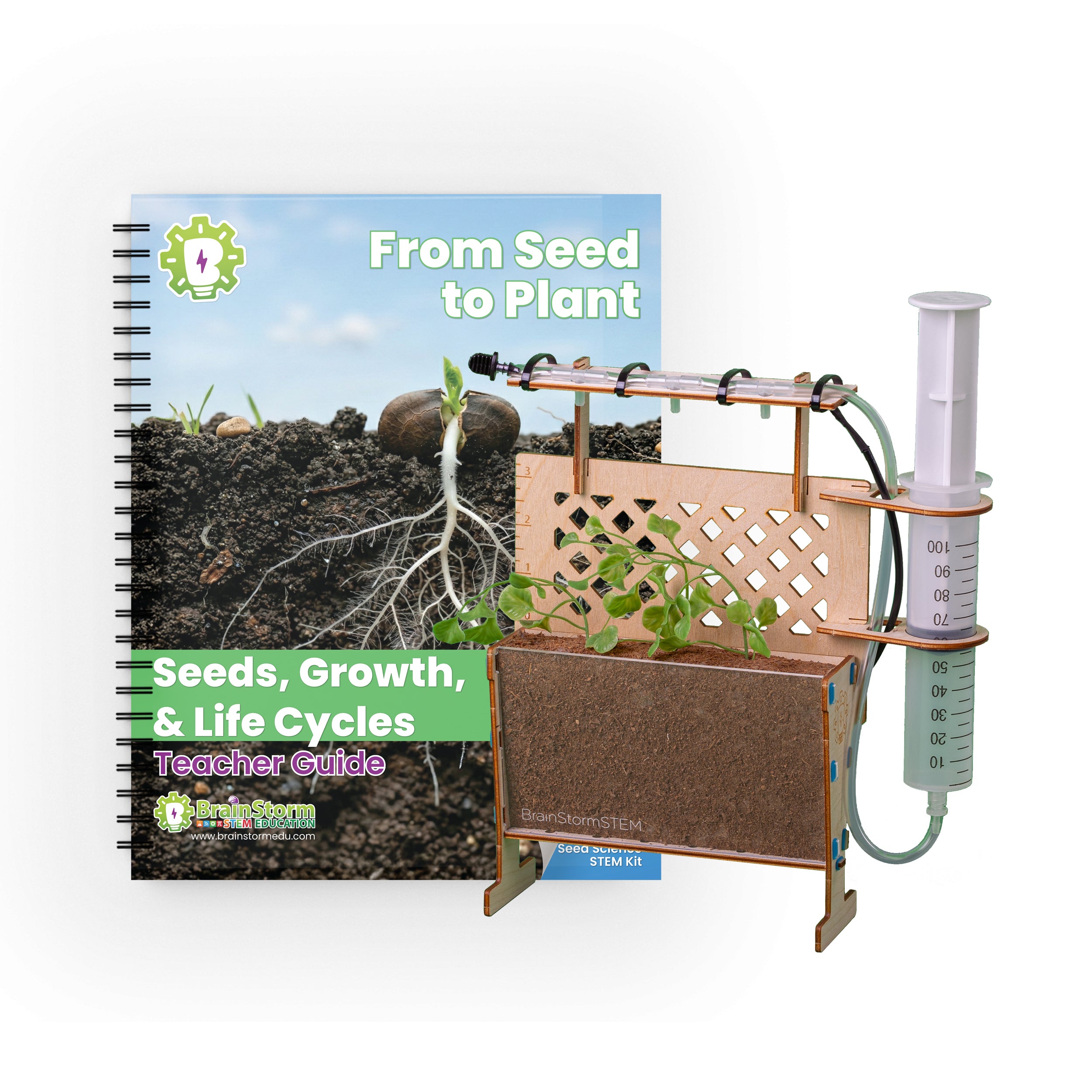
From Seed to Plants
Topic: Seeds, Growth & Life Cycles
Students plant seeds and observe growth over time, documenting the stages of germination and development. The module introduces students to biological systems and environmental variables that influence plant growth.
Key Features
-
Seed planting and growth observation
-
Germination stage documentation
-
Environmental factor analysis
-
Data recording and pattern recognition
-
Introduction to life cycle science
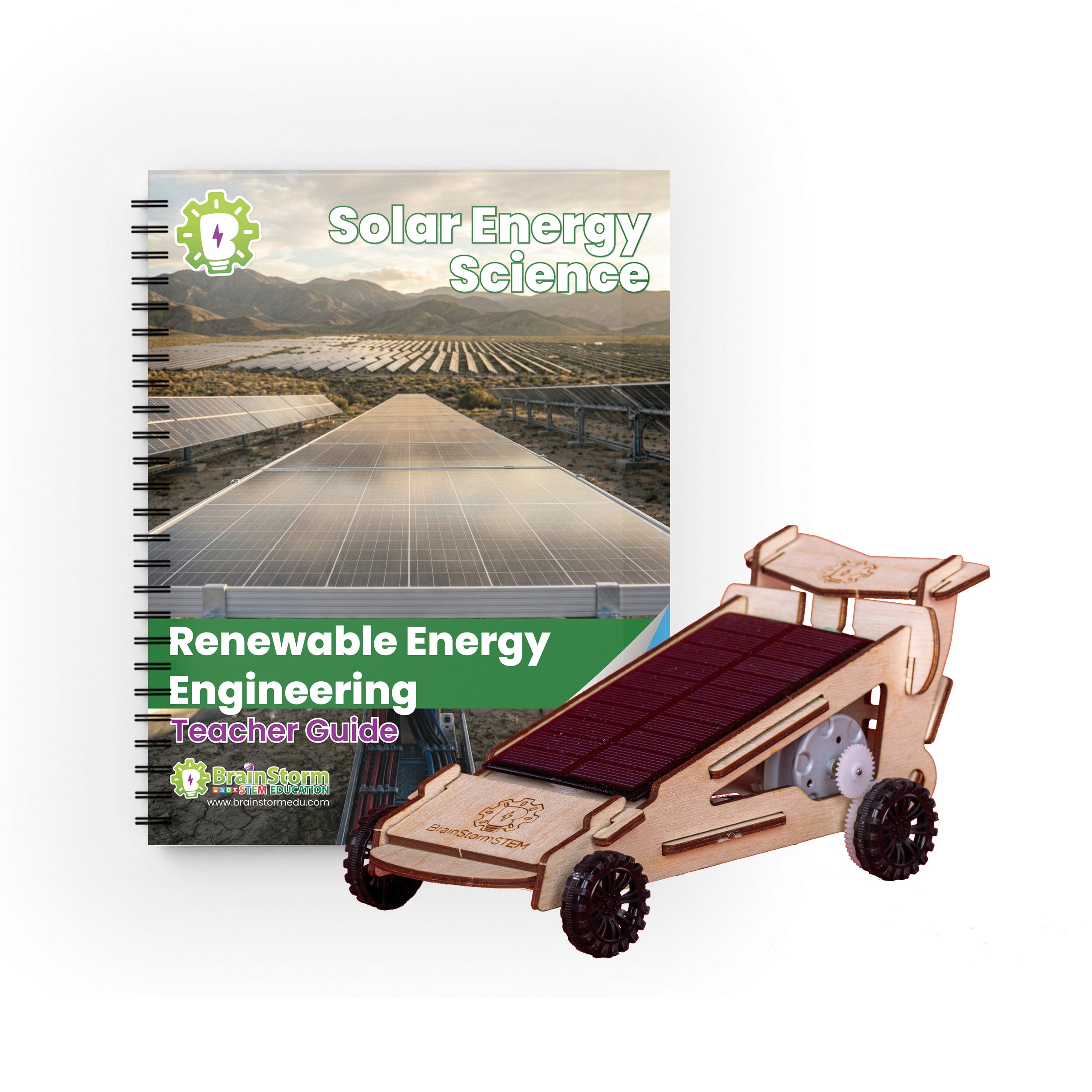
Solar Energy Science
Topic: Renewable Energy Engineering
Students construct solar-powered racers and explore how light intensity and positioning affect power generation. Through controlled testing, students investigate the principles behind solar energy systems.
Key Features
-
Solar-powered racer construction
-
Light intensity experimentation
-
Controlled variable testing
-
Renewable energy system exploration
-
Cause-and-effect reasoning
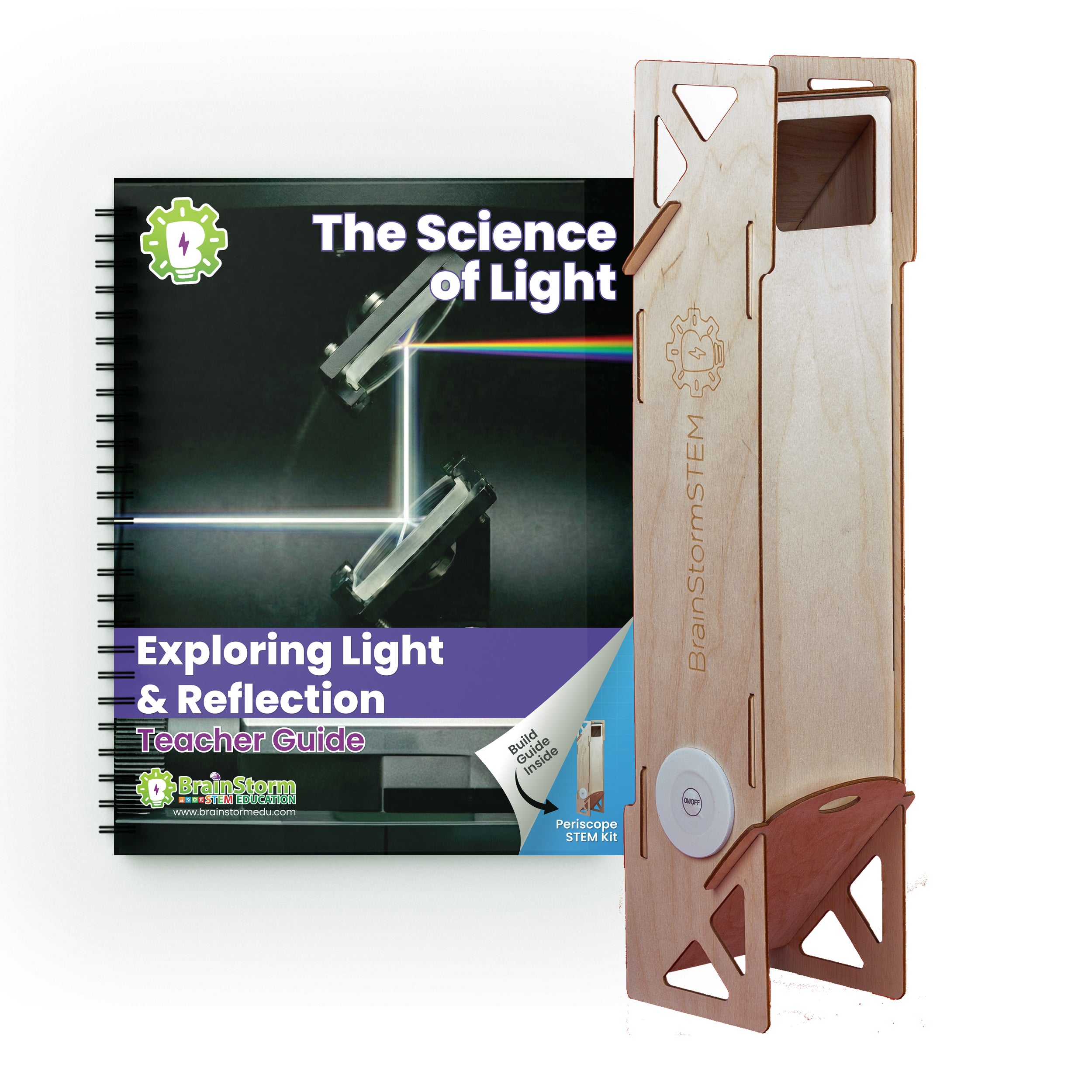
The Science of Light
Topic: Exploring Light & Reflection
Students build working periscopes to investigate light reflection and optical pathways. By adjusting mirror angles, students observe how light travels and develops spatial reasoning skills.
Key Features
-
Periscope construction
-
Exploration of reflective light pathways
-
Mirror angle experimentation
-
Hands-on optics investigation
-
Scientific explanation of light behavior
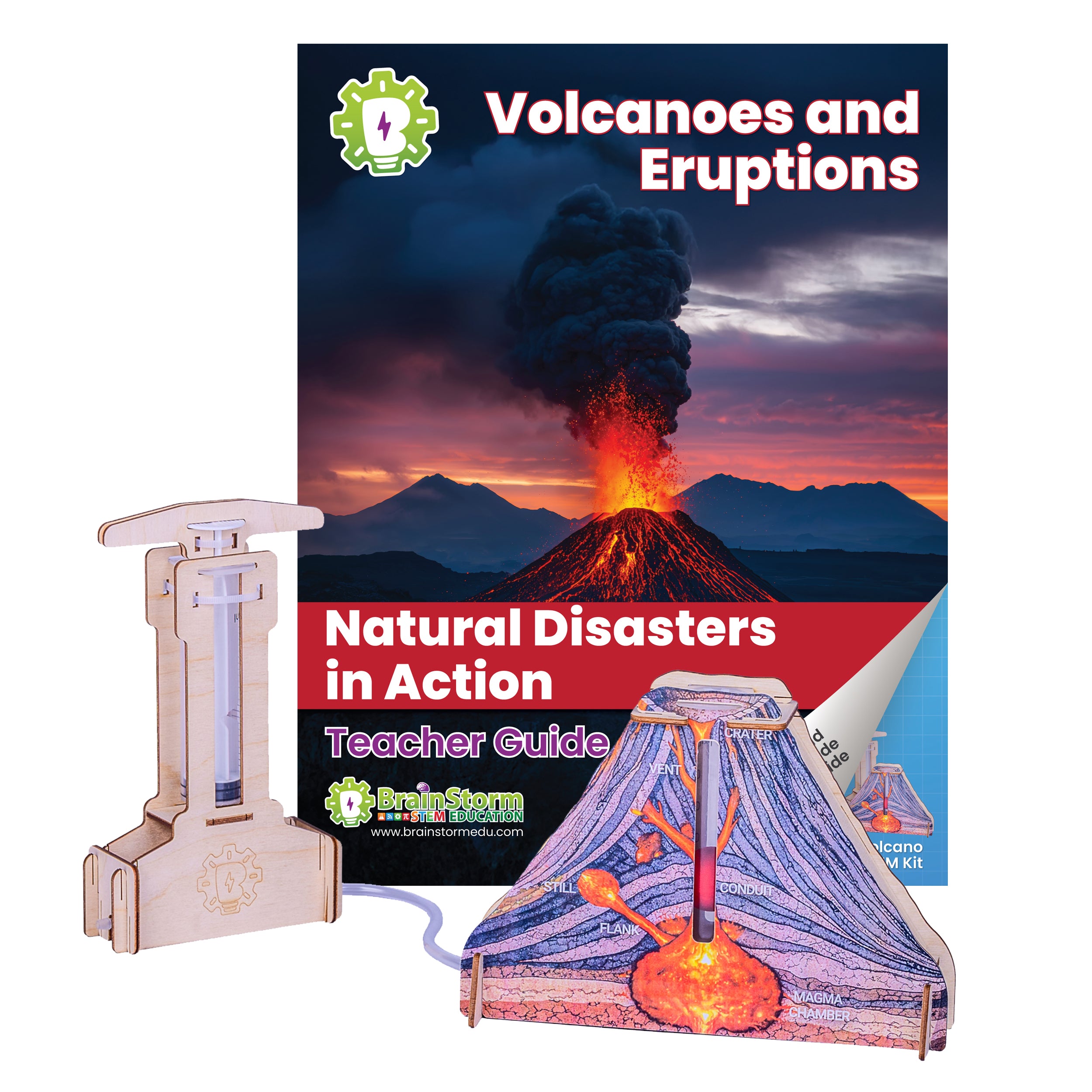
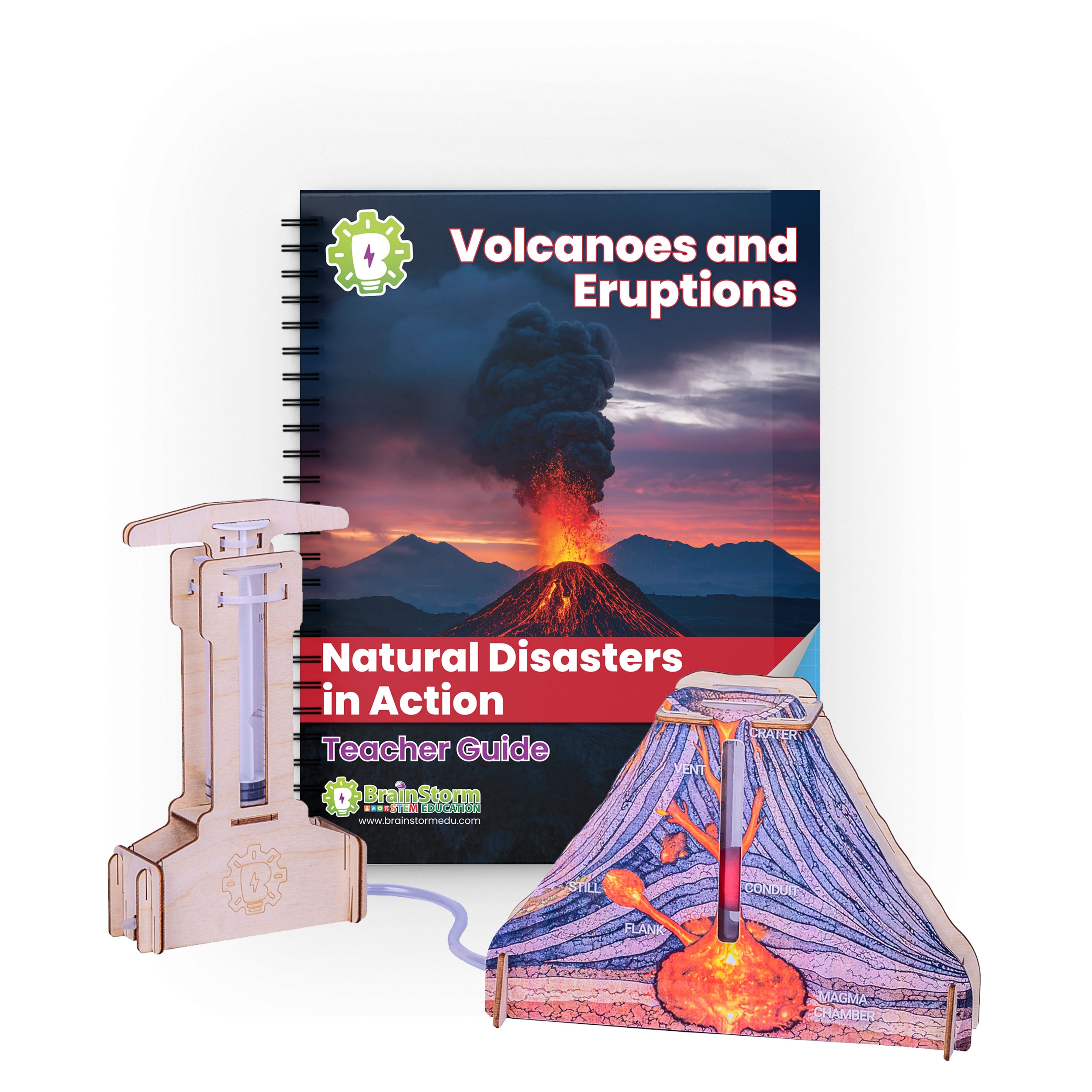
Volcanoes and Eruptions
Topic: Natural Disasters in Action
Students use a reusable pressure-based eruption system to study how pressure builds and releases within geologic systems. The lesson emphasizes real volcanic science rather than chemical reactions.
Key Features
-
Reusable eruption simulation model
-
Investigation of pressure buildup and release
-
Focus on geologic processes
-
Structured cause-and-effect observation
-
Vocabulary-rich Earth science instruction
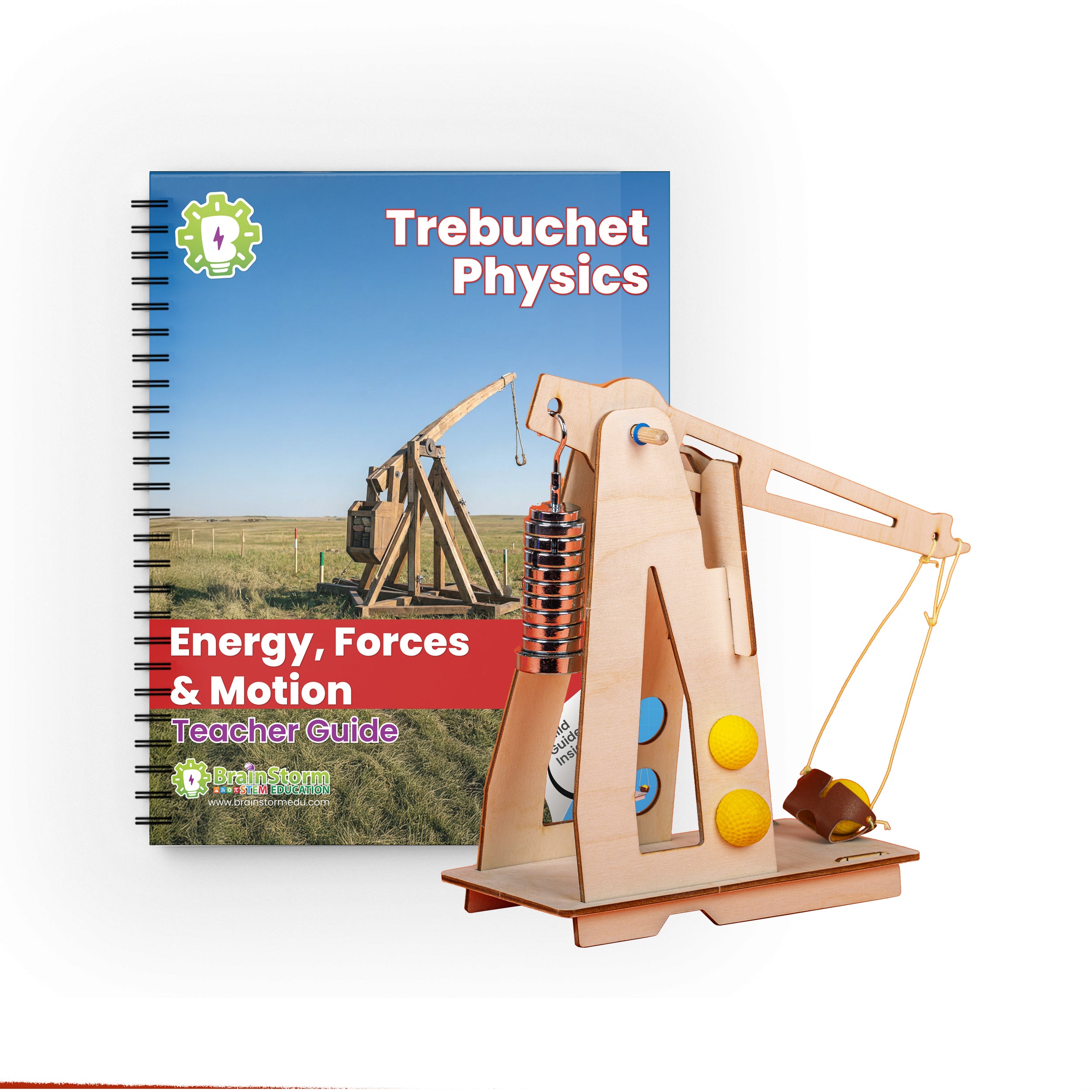
Trebuchet Physics
Topic: Energy, Forces & Motion
Students build a trebuchet launcher to explore leverage, mechanical advantage, and projectile motion. Through iterative testing, students analyze how counterweight adjustments influence launch performance.
Key Features
-
Demonstration of potential and kinetic energy transfer
-
Investigation of projectile motion and trajectory
-
Iterative engineering design testing
-
Experimental physics data collection
-
Exploration of levers and mechanical advantage